

Why Slim Power Banks Transform Everyday Mobility
Dragging a bulky charger through security at Heathrow or JFK feels like a step backwards for modern travellers. Urban tech lovers want more from their gear: lightweight gadgets that keep pace with fast-moving days and frequent device use. A slim power bank combines advanced lithium-ion battery technology with a pocket-friendly design for those who rely on Apple devices and need reliable, fast charging on the go. Cut through the confusion by learning what makes these chargers different and uncovering the most common misconceptions.
Table of Contents
- Slim Power Banks Defined and Misconceptions
- Battery Types, Capacity, and Charging Features
- Real-World Applications for Urban Tech Users
- Safety Systems and Common Pitfalls
- Comparing Slim Power Banks to Larger Alternatives
Key Takeaways
| Point | Details |
|---|---|
| Slim Power Banks Offer Mobility | Designed to fit easily into pockets or bags, they are perfect for tech professionals needing reliable power on the go. |
| Capacity vs. Size Misconception | Slim power banks can efficiently hold significant charges, debunking myths about their capacity limitations. |
| Safety Features are Essential | Built-in protections ensure safe charging for both the power bank and connected devices, enhancing user confidence. |
| Select Based on Your Needs | Choose slim power banks for urban mobility and convenience, while larger models are better for extended use cases or multiple devices. |
Slim Power Banks Defined and Misconceptions
A slim power bank is a lightweight, compact portable charger designed to fit seamlessly into your pocket, bag, or jacket. Unlike bulky charging blocks, these devices use advanced lithium-ion battery technology to deliver reliable power without the weight penalty that once came with portable charging.
Think of them as the mobile phone’s perfect travel companion. They’re engineered specifically for people like you—tech professionals who refuse to sacrifice mobility for convenience.
What Makes a Power Bank “Slim”?
Slim power banks typically measure less than 10mm thick and weigh under 200 grams. The exact dimensions vary, but the defining characteristic is their ability to disappear into daily life without creating bulk.
Here’s what separates slim models from standard power banks:
- Ultra-compact form factor that fits jacket pockets easily
- Lightweight design (typically 100–200g) for all-day carrying
- Battery capacity between 5,000–15,000mAh for one to three full charges
- Fast charging support, often 18W or higher output
- Multi-device compatibility with USB-C and Lightning ports
Capacity matters, but so does practicality. A 10,000mAh slim power bank charges your iPhone 15 about twice over, which covers most urban commutes and day trips.
Common Misconceptions About Slim Power Banks
Misconception 1: They don’t hold enough charge. This misunderstanding stems from confusing physical size with battery capacity. Modern slim models pack impressive power into compact designs, though they won’t fully charge a laptop multiple times—that’s not their purpose.
Misconception 2: They’re unsafe for travel. Power banks must travel in carry-on luggage, not checked bags, because of lithium-ion battery regulations. This is a safety precaution, not a ban. Thousands of travellers carry slim power banks daily on flights worldwide.
Misconception 3: All slim power banks are the same. Quality varies dramatically. Build materials, charging speeds, safety features, and compatibility differ significantly between models.
Misconception 4: They damage your phone’s battery. Modern power banks include multiple protection systems that prevent overcharging and voltage spikes. Your phone’s internal chip controls how much power it accepts, not the power bank.
The key difference between myth and reality is understanding that slim power banks were engineered specifically for your lifestyle, not as compromised versions of larger models.
Why Understanding Matters
Clear definitions prevent poor purchasing decisions. When you understand that “slim” refers to physical design rather than capability limitations, you can match the right power bank to your actual needs. Whether you’re exploring portable charging fundamentals or comparing specific models, knowledge transforms how you evaluate options.
Pro tip: Check the actual mAh capacity and output wattage rather than relying on brand marketing claims—these specs tell you what the power bank will truly deliver for your devices.
Battery Types, Capacity, and Charging Features
Slim power banks rely on lithium-ion battery technology to deliver portable power efficiently. Understanding what’s inside your charger helps you make better purchasing decisions and maximise performance.
Lithium-ion batteries are the gold standard for portable devices because they pack enormous energy into compact spaces. Your iPhone uses the same technology, which is why slim power banks can charge it multiple times without weighing you down.
How Battery Chemistry Works
Lithium-ion batteries convert chemical energy into electrical energy through a controlled chemical reaction inside sealed cells. This process happens instantly when you plug in your device—no warm-up time required.
Here’s why lithium-ion dominates the portable charging market:
- High energy density means more power per gram
- Rechargeable design supports hundreds of charge cycles
- Minimal self-discharge when not in use
- Lightweight construction perfect for daily carrying
- Compatible with fast charging protocols
Other battery types exist, but lithium-ion delivers the best balance of capacity, weight, and reliability for your needs.
Understanding Capacity: mAh and Wh
Capacity determines how long your power bank can charge your devices. Two measurements describe this: milliampere-hours (mAh) and watt-hours (Wh).
mAh tells you the total charge available. A 10,000mAh power bank fully charges most smartphones about twice. Wh is more precise because it accounts for voltage differences across devices.
Think of it like a water tank. mAh measures volume; Wh accounts for pressure too. For practical purposes, higher numbers mean longer charging time between refills.
To further clarify battery specifications, here is a table explaining mAh and Wh for buyers:
| Measurement | What It Represents | Typical Use Case |
|---|---|---|
| Milliampere-hour (mAh) | Total charge capacity (volume) | Comparing basic power banks |
| Watt-hour (Wh) | Total energy incl. voltage (pressure) | Calculating total run time |
| Why It Matters | Affects number of device charges | Shows real-world performance |
Fast Charging and Safety Features
Modern slim power banks include smart charging technology that adjusts power delivery based on your device’s needs. USB-C fast charging standards have become industry standard, pushing power delivery speeds from 18W to 65W or beyond.
Safety circuits protect both your devices and the power bank itself:
- Overcharge protection prevents battery damage
- Temperature monitoring stops overheating
- Short circuit detection instantly cuts power
- Voltage regulation ensures stable output
These protections run automatically—you don’t need to monitor anything.
The best power bank combines adequate capacity with intelligent charging features that keep your devices safe whilst delivering rapid power replenishment.
When comparing models, check whether they support your specific device’s fastest charging speed. An iPhone 15 Pro benefits from higher wattage, whilst older devices may cap out at 18W anyway.
Pro tip: Compare watt-hours rather than mAh when choosing between models, as Wh accounts for voltage differences and gives you a more accurate picture of real-world charging capability.
Real-World Applications for Urban Tech Users
You’re navigating a city where your phone is your lifeline. Navigation apps, payment systems, messaging platforms, and work emails all depend on a charged battery. A slim power bank transforms how you move through urban spaces by keeping your devices alive throughout the day.

Urban tech users face unique challenges that slim power banks solve directly. You’re constantly switching between apps, attending meetings, travelling between locations, and staying connected. A single charge rarely lasts the entire day anymore.
Commuting and Public Transport
Your commute involves multiple apps working simultaneously. Real-time transport tracking, navigation, and communication tools drain battery quickly. A slim power bank fits easily in your bag or jacket pocket without adding noticeable weight.
Common commuting scenarios where slim power banks prove essential:
- Checking live departure updates on your phone
- Using navigation whilst walking to the station
- Staying reachable via messaging during transit
- Working on emails during longer journeys
- Maintaining GPS tracking for safety and location sharing
You can discreetly charge your phone during your commute without fumbling with cables at your desk.
Professional Productivity
If you work across multiple locations—meetings, client sites, co-working spaces—your phone becomes a productivity device, not just communication. Battery anxiety becomes real when you’re relying on your device for presentations, documentation, or client communication.
Slim power banks enable you to maintain uninterrupted professional connectivity throughout back-to-back meetings and site visits. You won’t miss critical emails or notifications because your battery died.
Accessing Urban Digital Services
Cities increasingly rely on digital systems for essential services. Payment apps, government portals, public safety applications, and mobility platform access all require continuous device power. When your battery dies, you lose access to these crucial services instantly.
Slim power banks ensure you can:
- Access digital payment systems anywhere
- Use ride-sharing and transport apps without interruption
- Reach emergency services or safety apps when needed
- Complete administrative tasks on government apps
- Maintain access to essential city services
Social and Leisure Activities
Photography, social media, gaming, and entertainment apps are battery killers. A slim power bank extends your evening out without forcing you to abandon your phone or rush home to charge.
Slim power banks transform your relationship with urban mobility by removing the anxiety of battery depletion from your day.
You can explore your city freely, knowing you have backup power for navigation, communication, and documentation of your experiences.
Pro tip: Keep your slim power bank charged during the weekend, then use it strategically during heavy-usage days—this extends the lifespan of both the power bank and your phone’s internal battery.
Safety Systems and Common Pitfalls
Slim power banks contain lithium-ion batteries that require careful handling. Understanding built-in safety systems and avoiding common mistakes keeps both your devices and you protected from potential hazards.
Quality power banks include multiple layers of protection that work silently in the background. You’ll never notice these systems unless something goes wrong—which is exactly how they should function.
Built-In Safety Protection Systems
Modern slim power banks incorporate multiple circuit protection technologies to prevent dangerous situations. These systems monitor temperature, voltage, and current continuously whilst charging.
Essential safety features include:
- Overcharge protection stops charging when the battery reaches full capacity
- Temperature sensors detect overheating and halt operations
- Short circuit detection immediately cuts power if connections fail
- Voltage regulation prevents spikes that damage devices
- Current limiting protects against excessive power draw
These protections operate automatically without user intervention. You can leave your phone charging without worry—the power bank will stop automatically when complete.
Common Usage Pitfalls to Avoid
Most safety issues stem from user behaviour rather than equipment failure. Understanding these pitfalls prevents unnecessary risks.
Avoid these common mistakes:
- Charging in extreme heat or cold reduces battery lifespan and triggers overheating
- Leaving the power bank in direct sunlight degrades internal components
- Dropping or physically damaging the device can compromise safety circuits
- Using damaged cables or non-certified chargers bypasses protection systems
- Ignoring manufacturer warnings about storage and handling
Damaged power banks may look functional but internal protection circuits could be compromised. When in doubt, stop using it.
Understanding Lithium-Ion Battery Risks
Lithium-ion battery hazards include overheating, fire risk, and thermal runaway if the battery is damaged. However, quality power banks with proper safety systems make these risks extremely unlikely during normal use.
The key is buying from reputable manufacturers that follow established safety standards. Counterfeit or poorly manufactured power banks skip critical safety components.
Quality safety systems make slim power banks reliable for everyday use when you purchase from trusted brands and follow basic handling guidelines.
Respectable manufacturers test extensively and include detailed safety documentation. If a power bank lacks clear safety information, that’s a red flag.
Proper Storage and Maintenance
Store your slim power bank in a cool, dry location away from extreme temperatures. Partial discharge (around 50% capacity) is ideal for long-term storage.
Check your power bank periodically for physical damage or swelling. A visibly swollen power bank indicates internal battery damage and should not be used.
Pro tip: Charge your slim power bank every few months even if you’re not using it regularly, as lithium-ion batteries degrade faster when completely depleted for extended periods.
Comparing Slim Power Banks to Larger Alternatives
Not every charging situation requires the same solution. Slim power banks excel in specific scenarios, whilst larger alternatives serve different purposes entirely. Understanding when each makes sense prevents buying the wrong device for your needs.
The choice depends on your lifestyle, travel frequency, and how you actually use portable charging. A one-size-fits-all approach rarely works for everyone.
Portability: The Defining Difference
Slim power banks prioritise portability over raw capacity. They weigh under 200 grams and fit comfortably in your pocket, making them invisible during daily life. Larger alternatives sacrifice convenience for maximum charging cycles.
Consider your typical day. If you’re moving between locations constantly, a slim model keeps pace with your lifestyle. If you stay in one place most of the time, extra weight matters less.
Capacity Comparison
Slim power banks typically hold 5,000–20,000mAh. Larger alternatives can exceed 100,000mAh, delivering substantially more charging cycles. However, small-scale portable energy storage prioritises convenience and accessibility over maximum capacity output.
Here’s what this means practically:
- Slim models: one to three full phone charges
- Standard models: four to six full phone charges
- Large alternatives: seven plus full charges, or laptop charging capability
- Heavier alternatives: typically 400g–1kg, unsuitable for pocket carry
Your actual usage determines which capacity makes sense. Most urban users rarely need beyond two phone charges.
Here’s a concise comparison of slim power banks and larger alternatives:
| Aspect | Slim Power Banks | Larger Power Banks |
|---|---|---|
| Weight & Size | Under 200g, pocket-friendly | 400g–1kg, bulkier design |
| Charge Cycles Provided | 1–3 full phone charges | 7+ phone charges, laptop ready |
| Best Use Case | Daily urban mobility | Travel, off-grid, multi-device |
| Typical Price Range | £20–£50 | £40–£150 |
Speed and Charging Performance
Slim power banks deliver fast charging at 18W–65W. Many support USB-C Power Delivery, matching your phone’s native charging speed. Larger models offer similar speeds but with sustained output across multiple devices simultaneously.
Both handle the job quickly. The difference emerges when charging multiple devices or sustaining power for extended periods without access to wall outlets.
Use-Case Selection
Choose slim power banks if:
- You commute daily and carry everything in your bag or pocket
- You travel frequently via air and value luggage weight
- You use multiple Apple devices simultaneously
- You prefer convenience over maximum capacity
Choose larger alternatives if:
- You camp or travel off-grid for extended periods
- You need to charge laptops or large tablets
- You manage multiple devices throughout the day
- Weight isn’t a consideration
Slim power banks transform everyday mobility because they match the pace of urban tech users, not because they’re objectively better—they’re simply better suited to how you actually move.
Larger models serve different lifestyles. Neither is superior; they’re designed for different problems.
Cost Considerations
Slim power banks typically cost £20–£50. Larger alternatives range from £40–£150 depending on capacity and features. The better question isn’t price, but value for your specific use case.
Pro tip: Match your power bank capacity to your actual charging needs for one full day, then add 20% buffer—oversizing wastes money and weight without solving real problems.
Discover How Slim Power Banks Can Revolutionise Your Daily Charging Needs
The struggle to stay connected throughout busy city days without bulky, heavy chargers is real. This article highlights the transformative power of slim power banks designed for tech-savvy urban users who demand portability, fast charging, and trusted safety features. If you want to leave behind the frustration of low battery anxiety while commuting, working, or exploring your city, having a lightweight power bank that fits effortlessly in your pocket is essential.
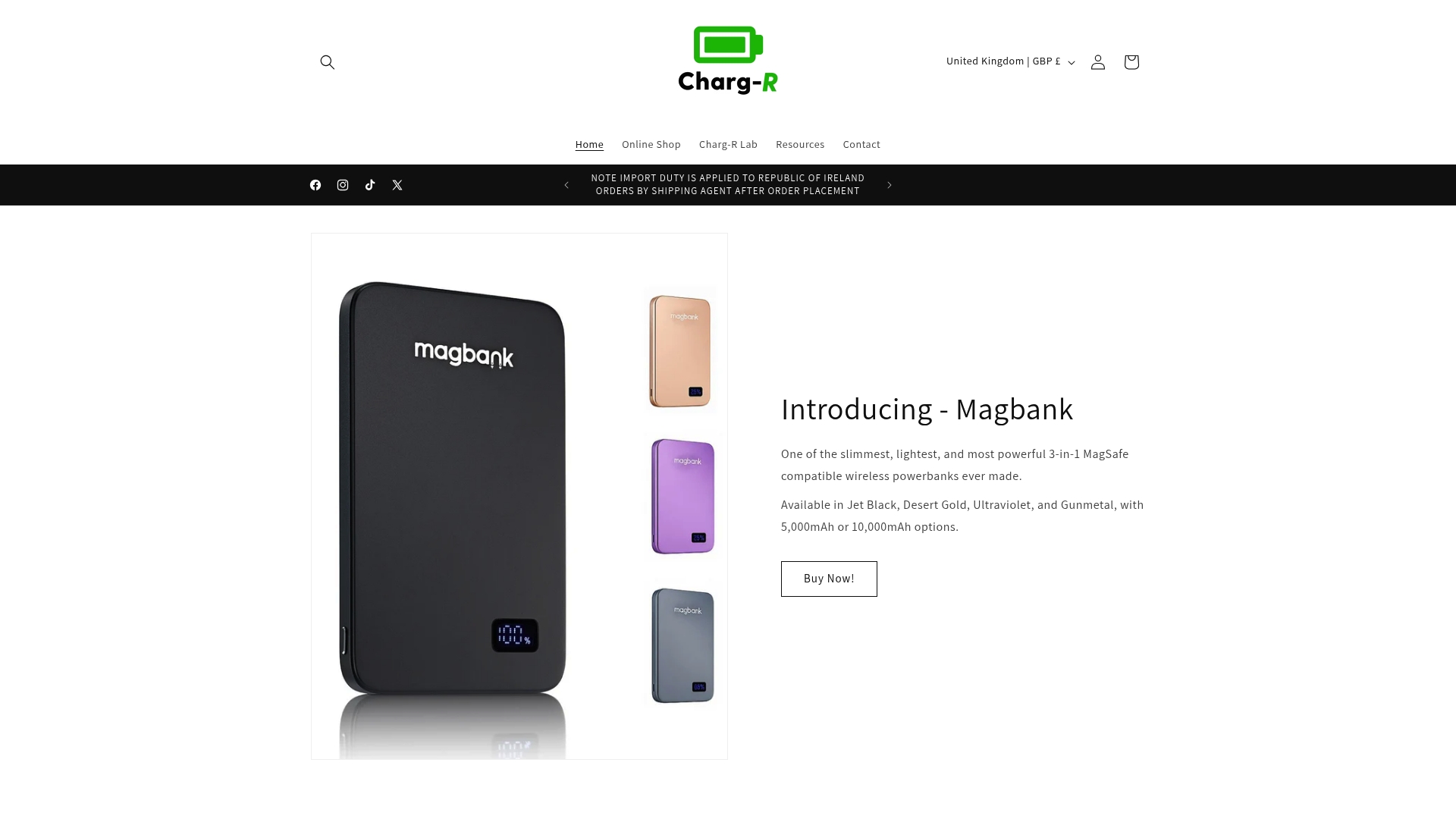
Explore Charg-R’s premium selection of slim, multifunctional power banks crafted for your lifestyle at Charg-R. Benefit today from advanced lithium-ion technology, robust safety systems, and compatibility with Apple and other devices. Don’t compromise convenience for power anymore. Visit Charg-R now and experience portable charging solutions engineered to keep pace with your everyday mobility.
Frequently Asked Questions
What is a slim power bank?
A slim power bank is a lightweight, compact portable charger designed to provide power to devices without the bulk associated with traditional chargers. They typically measure less than 10mm thick and weigh under 200 grams.
How many times can a slim power bank charge my smartphone?
Most slim power banks have a capacity ranging from 5,000 to 15,000mAh, which generally allows them to charge an average smartphone about 1 to 3 times, depending on the specific device and its battery capacity.
Are slim power banks safe for travel?
Yes, slim power banks are safe for travel as long as they are carried in carry-on luggage, following lithium-ion battery regulations. Many travellers use them daily without any issues on flights.
What are the key safety features of slim power banks?
Slim power banks typically include multiple protection systems such as overcharge protection, temperature monitoring, short circuit detection, and voltage regulation, ensuring safe operation during charging.