

How to Choose the Right Travel Adapter
Choosing a travel adapter isn’t just about finding the right plug shape. Many travellers assume any adapter converts voltage and fits every outlet, risking damage to expensive Apple devices and electronics. Understanding how adapters work, what technologies matter, and which safety features protect your tech is essential for seamless global charging without the stress of incompatibility or device failure.
Table of Contents
- Why Travel Adapters Matter For Tech-Savvy Travellers
- How Travel Adapters Work: Plug Adaptation Versus Voltage Conversion
- Advancements In Travel Adapter Technology
- Compatibility With Apple And Other Tech Devices
- Safety Features And Reliability Considerations
- Common Misconceptions About Travel Adapters
- Future Trends And Innovations In Travel Adapters
- Choosing The Right Travel Adapter For Your Needs
- Explore Charg-R’s Range Of Travel Adapters And Powerbanks
- Frequently Asked Questions
Key takeaways
| Point | Details |
|---|---|
| Plug adaptation versus voltage conversion | Travel adapters change plug shapes but rely on dual-voltage devices; true voltage converters are needed only for older appliances. |
| GaN and USB-C PD technology | Gallium Nitride shrinks adapter size while USB-C Power Delivery enables fast charging for modern devices including Apple products. |
| Multi-port charging capability | Advanced adapters support 4-6 devices simultaneously, crucial for tech travellers with multiple gadgets. |
| Safety certifications matter | Look for surge protection, NRTL certification, and thermal safeguards to prevent device damage and electrical hazards. |
| Match adapter to device needs | Assess your devices’ power requirements, port types, and destination outlets before purchasing to avoid compatibility issues. |
Why travel adapters matter for tech-savvy travellers
Global electrical systems vary dramatically. Over 15 plug types exist worldwide, each with different voltage standards ranging from 100V to 240V. Without proper adapters, your iPhone charger won’t fit European outlets, and your MacBook may face incompatibility in Asia.
Tech travellers now carry multiple devices simultaneously. Smartphones, laptops, tablets, wireless earbuds, and smartwatches all need charging during trips. Travel adapters bridge the gap between these diverse electrical systems and your device requirements.
The challenges without proper adapters include:
- Inability to charge devices due to plug incompatibility
- Risk of device damage from incorrect voltage or poor-quality adapters
- Inconvenience of searching for compatible charging solutions abroad
- Missed connectivity and productivity during critical travel moments
- Safety hazards from using makeshift charging arrangements
Modern tech travellers need reliable solutions. Understanding travel adapter features helps you select the right equipment. The role of travel chargers extends beyond simple plug adaptation to encompass power management and device protection. Investing in quality multi-device chargers ensures you can power all your tech simultaneously without juggling outlets or waiting for sequential charging.
How travel adapters work: plug adaptation versus voltage conversion
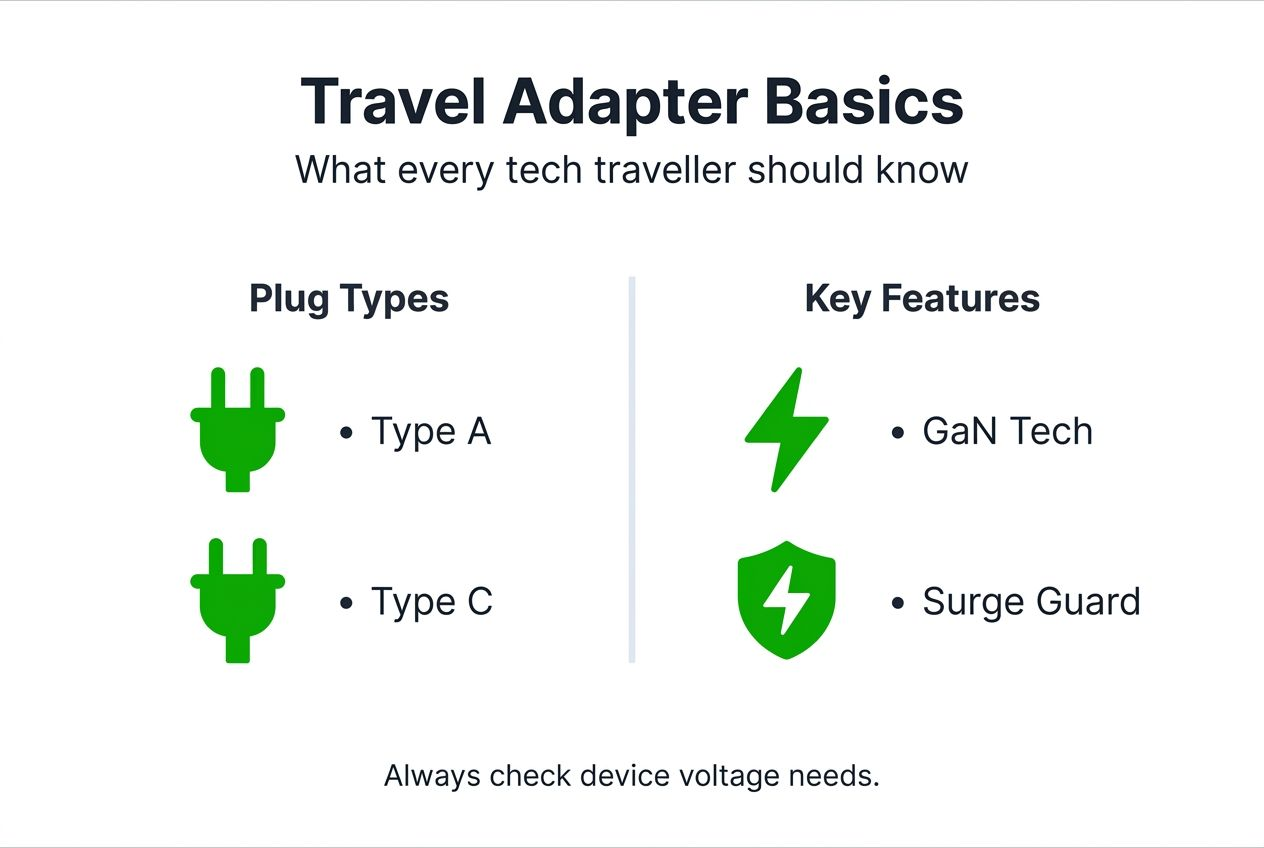
Most travellers confuse two distinct functions. Plug adapters simply change the physical plug shape to fit foreign outlets. Voltage converters actually transform electrical current from one voltage to another, typically from 220V to 110V or vice versa.
Modern travel adapters perform plug adaptation and rely on your devices being dual-voltage compatible. Check your device’s power brick or battery compartment for voltage ratings. If you see “100-240V,” your device works globally with just a plug adapter.
Dual-voltage electronics include:
- Smartphone and tablet chargers
- Laptop power supplies
- Camera battery chargers
- Electric toothbrushes and shavers
- Most modern portable electronics
Misusing adapters causes serious problems. Plugging a single-voltage device into the wrong voltage supply without a converter damages internal components immediately. Some older hairdryers, curling irons, and high-power appliances require dedicated voltage converters.
You need a voltage converter when:
- Your device shows only “110V” or only “220V” (not a range)
- Using high-wattage appliances like some hairdryers or irons
- Operating older electronics without auto-switching power supplies
- The device manual specifically requires voltage conversion
Pro Tip: Before every trip, photograph the voltage specifications on all your device chargers. This quick reference helps you verify compatibility and avoid costly mistakes when purchasing adapters abroad.
Understanding these differences protects your investments. Quality travel adapter features focus on plug compatibility and safety, not voltage conversion, because modern electronics handle voltage ranges automatically.
Advancements in travel adapter technology
Gallium Nitride has revolutionised travel charging. GaN technology creates smaller, more efficient adapters that run cooler and support higher power outputs essential for fast charging. Traditional silicon-based chargers generate excessive heat and require bulky designs, whilst GaN components shrink adapter size by up to 40% without sacrificing performance.
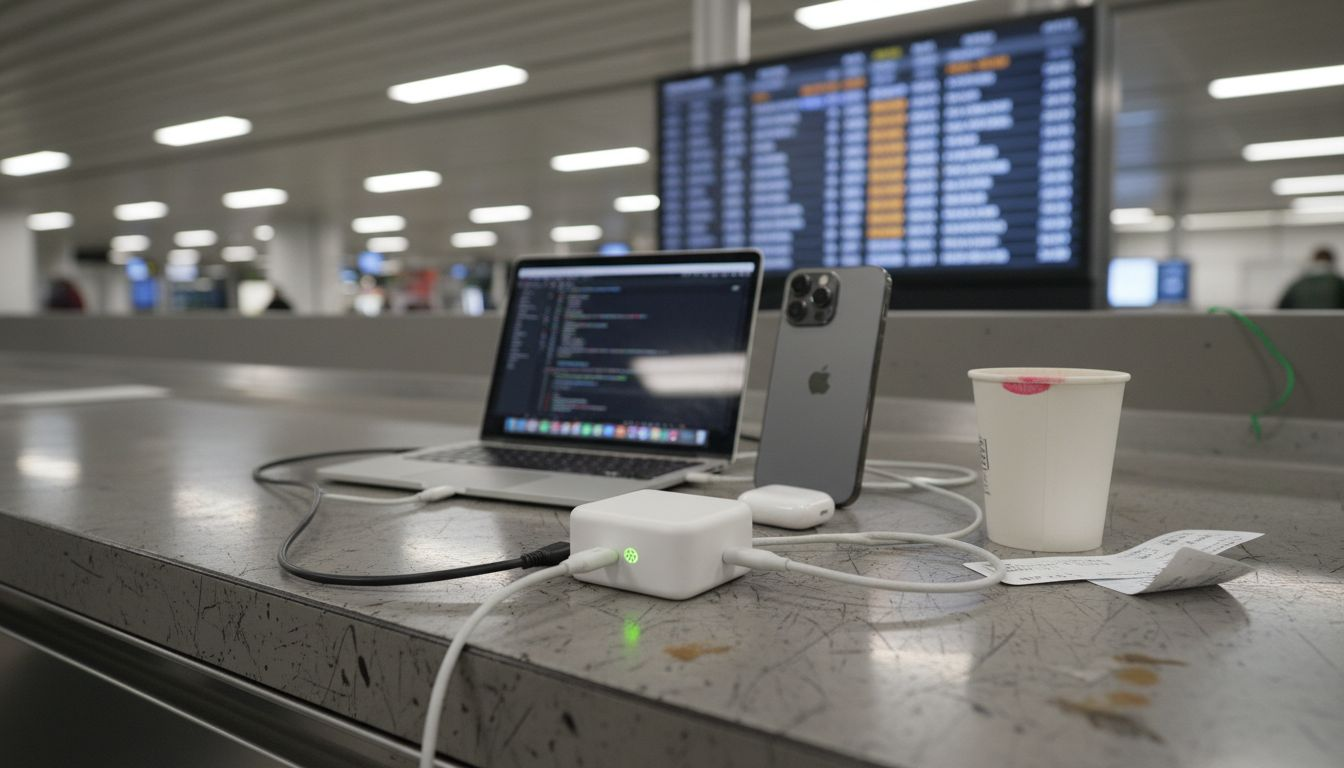
USB-C Power Delivery represents the charging standard Apple and other premium brands now embrace. PD technology negotiates optimal power delivery between your adapter and device, enabling a MacBook Pro to charge at 100W whilst an iPhone draws only 20W from the same port simultaneously. This intelligent power management prevents overcharging and maximises efficiency.
Multi-port adapters now charge 4-6 devices simultaneously whilst maintaining high wattage output. Tech travellers no longer choose between charging their laptop or phone. Advanced power distribution systems allocate available wattage intelligently across connected devices.
Modern adapter improvements include:
- Active cooling systems preventing overheating during extended use
- Smart power management chips monitoring and optimising output
- Foldable or retractable plugs reducing bulk in luggage
- LED indicators showing charging status and power availability
- Integrated cable management reducing tangled cords
Cooling innovations matter because sustained high-power output generates heat. Quality adapters incorporate thermal sensors that throttle power if temperatures exceed safe thresholds, protecting both the adapter and your devices.
Pro Tip: Select adapters featuring both GaN technology and USB-C PD support. This combination delivers maximum charging speed in minimum space, perfect for carry-on luggage restrictions and hotel room convenience.
Exploring USB-C charging efficiency reveals why this standard dominates modern travel gear. The shift towards multi-device chargers reflects traveller demands for consolidated, powerful charging solutions that simplify packing and reduce outlet competition.
Compatibility with Apple and other tech devices
Apple devices demand specific power requirements. Fast-charging MacBooks and iPhones requires 65W or higher USB-C PD ports. Lower wattage charges devices slowly, frustrating travellers with limited time between meetings or flights.
The industry has shifted dramatically from USB-A to USB-C. Older adapters with only USB-A ports charge modern Apple products inefficiently or not at all. MacBook Air, iPad Pro, and iPhone 15 models all use USB-C for optimal charging speeds and data transfer.
Safe charging standards protect premium electronics:
- USB Power Delivery certification ensuring proper voltage negotiation
- Overcurrent protection preventing excessive power draw
- Short-circuit safeguards stopping current flow during faults
- Temperature monitoring preventing heat-related damage
Apple charging protocols require intelligent communication between adapter and device. Cheap adapters lacking proper PD chips may provide power but miss fast-charging capabilities or damage battery health over time through improper charging curves.
Features to prioritise for Apple compatibility:
- Minimum 65W USB-C PD port for MacBook fast charging
- Additional 20W USB-C ports for iPhone and iPad
- PD 3.0 or higher protocol support
- MFi certification or equivalent quality standards
- Multiple port options supporting simultaneous device charging
Understanding the best Apple charging accessories helps you select adapters that complement your device ecosystem. Learning how to choose wireless chargers for Apple devices adds another layer of charging convenience during travel, particularly in hotel rooms with limited outlet access.
Safety features and reliability considerations
Essential safety features prevent disasters. Surge protection guards against voltage spikes common in unstable power grids abroad. Overcurrent protection stops excessive current flow that damages device batteries and circuits. Thermal shutdown systems cut power when adapters overheat, preventing fires and component failure.
Recognised certifications signal quality and safety. NRTL marks from testing laboratories verify adapters meet rigorous electrical safety standards. These certifications aren’t decorative; they represent independent verification that products won’t electrocute users or ignite fires under normal operating conditions.
Safety reduces multiple risks:
- Device damage from power surges or incorrect voltage
- Personal injury from electrical shocks or burns
- Fire hazards from overheating or short circuits
- Data loss from sudden power interruptions
- Expensive repairs or replacements abroad
Auto-resetting fuses provide convenient protection. Unlike traditional fuses requiring replacement after triggering, auto-resetting versions automatically restore function once the fault condition clears. Quality construction using flame-retardant materials and reinforced internal wiring further enhances reliability.
Faulty adapter risks include:
- Melted plugs or outlets from poor contact or overheating
- Sparking or burning smells indicating dangerous faults
- Inconsistent charging suggesting failing components
- Physical damage to device charging ports
- Complete device failure from unregulated power delivery
The GoPlug travel adapter exemplifies comprehensive safety integration with multiple protection systems and certified components, ensuring your expensive tech remains protected across diverse international power conditions.
Common misconceptions about travel adapters
The biggest myth claims all adapters convert voltage. This dangerous assumption leads travellers to plug single-voltage devices into incompatible power supplies, destroying electronics instantly. Most adapters only change plug shapes; voltage conversion requires specialised equipment or dual-voltage devices.
Another misbelief suggests one adapter fits everywhere. Different countries maintain unique outlet standards with incompatible plug configurations. Europe uses Type C and F, the UK uses Type G, and Australia uses Type I. Universal adapters accommodate multiple standards but still can’t fit literally every socket variation globally.
Many assume USB-A ports suffice for modern charging. Apple and other manufacturers have moved beyond USB-A to USB-C for faster charging and better efficiency. Relying on older USB-A ports means slow charging speeds that leave devices underpowered during busy travel days.
| Adapter Type | Voltage Conversion | Plug Compatibility | Device Requirements |
|---|---|---|---|
| Plug adapter | No, shape only | Specific regions | Dual-voltage devices |
| Voltage converter | Yes, transforms voltage | Usually limited | Single-voltage devices |
| Universal adapter | No, shape only | Multiple regions | Dual-voltage devices |
| Device charger | Built-in (100-240V) | Needs plug adapter | Any device it supports |
Items to verify before purchasing:
- Voltage range compatibility with your destination countries
- Plug type coverage for all planned travel locations
- USB-C PD support for fast charging modern devices
- Sufficient port quantity for your device collection
- Safety certifications from recognised testing bodies
- Wattage capacity matching your highest-power device needs
Understanding these distinctions prevents frustration and equipment damage. Don’t assume compatibility; verify specifications against your actual device requirements and travel destinations.
Future trends and innovations in travel adapters
Artificial intelligence is entering travel charging. Smart adapters with AI features provide real-time updates on power usage, compatibility alerts, and even help locate power outlets through integrated apps. These systems learn your charging patterns and optimise power distribution across devices automatically.
Wireless charging integration eliminates cables entirely. Next-generation adapters incorporate Qi charging pads directly into their housing, letting you simply place your iPhone or AirPods case on the adapter surface for charging. This convenience reduces cable clutter in hotel rooms and cafes.
Eco-friendly materials and compact designs address sustainability concerns. Manufacturers now use recycled plastics and biodegradable packaging whilst shrinking adapter footprints through advanced engineering. Reduced size means less luggage weight and environmental impact during production and shipping.
Emerging innovations improving user experience:
- Biometric security features preventing unauthorised adapter use
- Solar charging panels for emergency power in remote locations
- Modular designs letting users swap plug types without replacing entire adapters
- Integration with smart home systems for charging scheduling
- Self-diagnostic systems alerting users to potential safety issues
These trends enhance safety, efficiency, and convenience. Travellers gain more control over their charging infrastructure whilst reducing environmental footprints. AI monitoring prevents overcharging and extends device battery lifespan through optimised charging curves.
Practical examples include adapters that automatically adjust output based on connected device needs, notify you via smartphone when devices reach full charge, and track total energy consumption for carbon footprint awareness. Future models may incorporate blockchain for supply chain transparency and authenticity verification.
Exploring MagSafe technology reveals how magnetic charging systems enhance travel convenience. Following portable charging tips helps you leverage these emerging technologies effectively whilst maintaining device health and charging efficiency on the road.
Choosing the right travel adapter for your needs
Selecting the ideal adapter requires systematic evaluation. Follow these steps for confident decision-making:
- Research electrical standards for every destination country, noting plug types and voltage ranges.
- Inventory all devices you’ll travel with, recording their voltage requirements and charging port types.
- Calculate total wattage needed by adding the maximum power draw of devices you’ll charge simultaneously.
- Verify your devices are dual-voltage compatible by checking power brick specifications for “100-240V” ratings.
- Prioritise adapters featuring GaN technology and USB-C PD for efficient, fast charging in compact form.
- Confirm safety certifications including NRTL marks and built-in surge protection features.
- Select multi-port models supporting your device count, ensuring sufficient USB-C ports for modern electronics.
- Consider portability factors like foldable plugs, cable management, and overall weight for luggage limits.
- Read verified customer reviews focusing on reliability, safety incidents, and real-world charging performance.
- Budget appropriately, recognising quality adapters cost more but prevent expensive device damage.
Safety certifications and surge protection aren’t optional extras; they’re essential safeguards for your tech investments. Cheap adapters save money initially but risk destroying devices worth hundreds or thousands of pounds.
Choosing multi-port, compact adapters suits varied travel styles. Business travellers benefit from 100W+ output supporting laptop and phone charging simultaneously. Leisure travellers with fewer devices may prefer smaller, lighter options. Frequent flyers should prioritise durability and universal plug compatibility.
Pro Tip: Budget 50 to 80 pounds for quality travel adapters with comprehensive safety features and modern charging technology. This investment protects devices worth far more and prevents the stress of charging failures during critical travel moments.
Understanding essential travel adapter features streamlines your selection process, ensuring you choose equipment that genuinely meets your needs rather than settling for inadequate solutions that create problems abroad.
Explore Charg-R’s range of travel adapters and powerbanks
After understanding what makes travel adapters effective and safe, explore solutions designed specifically for tech-savvy travellers. Charg-R offers premium charging equipment that addresses every requirement discussed in this guide.
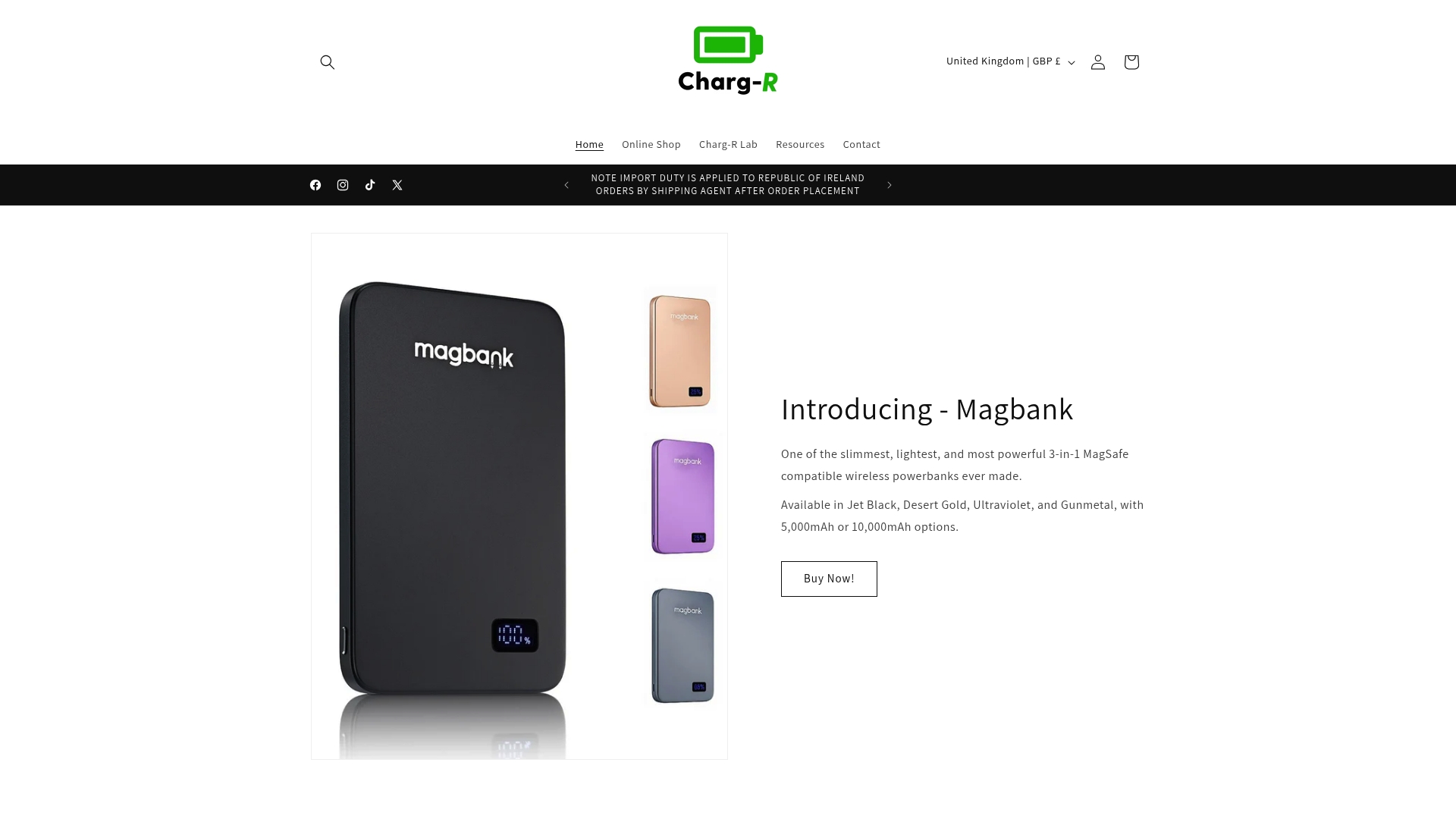
The GoPlug travel adapter delivers multi-device charging with comprehensive safety features and universal plug compatibility. For power users, the GoPlug Max 100W adapter provides maximum wattage through multiple USB-C PD ports, ideal for charging MacBooks alongside other devices. When outlet access is limited, the Slatebank 100W powerbank offers portable high-capacity charging anywhere.
Each product incorporates GaN technology, auto-resetting fuses, and certified safety systems protecting your valuable electronics across global power standards. Explore detailed specifications and customer reviews to find the perfect charging solution for your travel needs.
Frequently asked questions
What devices need voltage converters versus plug adapters?
Most modern electronics including smartphones, laptops, tablets, and camera chargers are dual-voltage compatible and need only plug adapters. Check for “100-240V” labels on power supplies. Older hairdryers, some kitchen appliances, and certain specialised equipment require dedicated voltage converters if they show only single voltage ratings like “110V” or “220V.”
How do I know if my travel adapter supports fast charging for Apple devices?
Verify the adapter includes USB-C Power Delivery ports rated at 65W or higher for MacBook fast charging, and 20W for iPhones. Check manufacturer specifications explicitly mentioning PD 3.0 protocol support. Quality adapters list compatible devices and charging speeds in product descriptions, and genuine fast charging adapters typically cost more than basic models.
Are all travel adapters compatible with power outlets worldwide?
No adapter fits literally every outlet globally due to regional variations in plug standards. Universal adapters accommodate major plug types covering most countries, but some remote locations use unique configurations. Research your specific destinations and verify adapter compatibility before departure. Country-specific adapters work better for extended stays in single locations.
What safety certifications should I look for in a travel adapter?
Prioritise NRTL certification from recognised testing laboratories, which verifies electrical safety standards compliance. Look for explicit mentions of surge protection, overcurrent protection, and thermal shutdown features. Reputable manufacturers display certification marks prominently and provide detailed safety specifications. Avoid adapters lacking any safety certifications, regardless of price savings, as they pose serious risks to you and your devices.