

7 Essential Portable Charging Tips for Busy Travellers
Your phone running low on battery during a trip is a stress you can do without. Finding charging solutions that are powerful yet easy to carry is a challenge for any traveller. Luckily, advances now mean you no longer have to sacrifice portability for performance. Compact power banks using lithium-polymer technology and lightweight designs make it possible to charge smartphones at least once, all whilst keeping your luggage light; global demand strongly favours models under 7 ounces and under 6 inches in length for exactly this reason.
This guide will arm you with smart, actionable strategies for keeping devices running as you move from airports to city tours. You’ll learn how to pick the right power bank, use fast charging features, save battery efficiently, and avoid tangled cables and risky chargers. Discover solutions that make your charging routine effortless and safe—so you stay connected, whichever country you’re in.
Table of Contents
- 1. Choose Lightweight and Compact Power Banks
- 2. Opt for Fast Charging Technology
- 3. Maximise Device Battery Efficiency
- 4. Carry Multi-Device Compatible Accessories
- 5. Use Retractable Cables for Easy Storage
- 6. Ensure Safety with Protection Features
- 7. Know How to Charge in Different Countries
Quick Summary
| Key Message | Explanation |
|---|---|
| 1. Choose a lightweight power bank | Opt for power banks under 10,000mAh that are compact and portable, making travel easier without adding significant weight. |
| 2. Invest in fast charging technology | Look for power banks with fast charging capabilities to minimise downtime, allowing you to recharge devices quickly while on the go. |
| 3. Maximise device battery efficiency | Adopt simple strategies like enabling low power mode and reducing screen brightness to extend device battery life during travel. |
| 4. Use multi-device compatible accessories | Select chargers that can charge multiple devices simultaneously, reducing clutter and improving charging efficiency when travelling. |
| 5. Ensure safety with protection features | Prioritise power banks that include built-in safety protections to prevent overheating, overcharging, and other hazards while charging your devices. |
1. Choose Lightweight and Compact Power Banks
When you’re moving between airports, train stations, and hotel rooms, every ounce matters. A lightweight and compact power bank transforms from a burden into a seamless travel companion that slides into your pocket without a second thought.
The market has spoken clearly about what travellers actually want. Global demand shows a strong preference for models under 7 ounces and under 6 inches in length, designed to disappear into your everyday carry without adding bulk or weight. This isn’t about sacrifice; advances in lithium-polymer technology mean you’re getting real charging power in genuinely portable packages.
Why does size matter so much? Your phone’s battery dies at the worst moments. On a layover. During a business meeting that runs long. When you’re exploring a new city and need directions. A compact power bank sitting in your pocket means you’re never caught without power, and you’re not lugging around unnecessary weight that exhausts you before your device even runs low.
What makes a power bank truly portable:
- Capacity under 10,000mAh for optimal balance between charging power and portability
- Form factor that fits comfortably in jean pockets, jacket sleeves, or small bags
- Weight distribution that feels negligible even after hours of carrying
- Charging speed sufficient to restore your device quickly between activities
Compact power banks under 10,000mAh offer the perfect balance for travel, giving you at least one full smartphone charge without the bulk of larger models.
Consider your actual charging needs rather than chasing maximum capacity. If you’re recharging your iPhone once or twice daily, a smaller unit handles that job efficiently. You’re not gaining real value from doubling the size just to carry capacity you’ll never use before reaching your next power outlet.
The best compact models include smart features like multiple USB ports (so you can charge your phone and smartwatch simultaneously) and built-in safety protections that prevent overcharging or overheating. These aren’t luxury features; they’re practical additions that come standard on quality units.
When selecting your model, match the capacity to your devices. Lightweight power banks under 10,000mAh work brilliantly for smartphones and smaller devices, whilst larger phones might benefit from slightly higher capacity if you absolutely require two full charges between outlets.
Pro tip: Test how your chosen power bank fits in your actual travel bag or pocket before buying, since dimensions matter more than raw specs when you’re living out of a carry-on for a week.
2. Opt for Fast Charging Technology
Time is your scarcest resource when travelling. Every minute your device spends tethered to a charger is a minute you’re not exploring, working, or staying connected. Fast charging technology eliminates this friction by delivering power at speeds that feel almost magical compared to standard chargers.
Modern fast charging isn’t just about raw speed; it’s about intelligent power delivery. Advanced technologies like USB Power Delivery (PD) and Quick Charge protocols manage how much power flows into your device at each moment, optimising both speed and safety. Your phone receives exactly what it needs without overheating or damaging the battery.
The travel advantage is straightforward. Rather than waiting hours for a full charge, you can restore 50 percent battery in 30 minutes. That’s enough to get through an entire day of sightseeing or back-to-back meetings after a quick airport stop.
Why fast charging matters for your travel lifestyle:
- Restores significant battery percentage in minimal time during tight schedules
- Reduces dependency on finding outlets during day-long activities
- Compatible with modern smartphones, tablets, and smartwatches simultaneously
- Multi-level charging protocols optimise both speed and battery longevity
- Built-in safety systems prevent overcharging and temperature issues
Fast-charging capabilities have become the global standard, with consumers increasingly demanding high wattage delivery to minimise downtime whilst maintaining device safety and compatibility.
Consumers worldwide now prefer power banks that deliver fast charging, and the technology has matured enough that safety is no longer a trade-off. USB Power Delivery and Quick Charge technologies enable rapid power transfer whilst protecting your devices through temperature management and smart power regulation.
When selecting a fast-charging power bank, match the wattage output to your devices. A newer iPhone or Samsung phone might accept 20W to 30W safely, whilst older devices work better with lower wattages. Check your phone’s specifications to understand what speeds it actually supports rather than assuming higher always means better.
Look for power banks that clearly specify their output wattage and support multiple fast-charging standards. This flexibility means your power bank works efficiently with your current devices and remains compatible when you upgrade to new technology.
Pro tip: Purchase a power bank with slightly higher wattage than your device supports, since the charger and your device communicate to deliver exactly the right speed—higher capacity never forces faster charging than your phone can handle.
3. Maximise Device Battery Efficiency
Even the best power bank runs dry eventually. The real skill lies in making your device’s battery last longer between charges, stretching every percentage point of battery life. Maximising device battery efficiency transforms how you travel by reducing your dependence on constant recharging.
Your phone consumes power in predictable ways. The screen dominates usage, followed by wireless connections searching for signals, and background apps running silently. When you reduce these energy drains, your battery stretches dramatically further without sacrificing essential functionality.
Battery saver modes exist precisely for travel scenarios. Activating low power mode on your iPhone or Samsung device instantly reduces processor speed, limits background activity, and dims the display. The performance difference is barely noticeable for messaging, maps, and email, yet your battery life extends by hours.
Quick wins for extending battery life on the road:
- Enable battery saver or low power mode as soon as battery drops below 50 percent
- Reduce screen brightness to comfortable levels rather than maximum brightness
- Turn off Wi-Fi and Bluetooth when you’re not actively using them
- Disable location services for apps that don’t genuinely need it
- Limit app notifications so background processes stop constantly waking your device
- Download maps, playlists, and articles offline before travelling
By adopting simple practices like enabling battery saver modes and minimising screen brightness, you can extend device usage significantly and reduce recharging frequency during extended travel periods.
Background app refresh is a silent battery killer. Your weather app, social media apps, and email clients constantly sync data even when you’re not using them. Disabling this feature for non-essential apps preserves battery without affecting your experience.
Screen timeout settings matter more than people realise. Setting your device to lock after 30 seconds instead of 5 minutes saves meaningful battery over a day of travel. The inconvenience is minimal since you unlock dozens of times anyway.
Location services deserve special attention. Many apps request location permission and then track your position continuously. Restrict location access to “only whilst using the app” for everything except maps and navigation. Effective battery conservation strategies extend your device’s usability throughout busy travel days without constant searching for power sources.
Pro tip: Create a dedicated travel profile or device mode in your phone’s settings with low power enabled, minimal brightness, notifications silenced, and only essential apps allowed—activate it whenever you leave your accommodation.
4. Carry Multi-Device Compatible Accessories
You’re not travelling with just a phone anymore. Your smartwatch needs charging, your wireless earbuds are running low, your tablet demands power, and your partner’s device might need a boost too. Multi-device compatible accessories solve this complexity by consolidating multiple charging needs into a single, efficient solution.
The old approach of carrying separate chargers for each device wastes bag space and creates tangled cable chaos. Modern multi-device accessories use multiple ports and wireless charging pads to power everything simultaneously from one compact unit. This matters enormously when you’re juggling devices across a hotel room, airport lounge, or busy café.
Compatibility across brands and connections is now the standard. A quality multi-device charger includes USB-C ports for newer phones, USB-A ports for older devices and accessories, and wireless charging pads for compatible smartphones and watches. This versatility means your charger works today and adapts to your upgraded devices tomorrow.
What to look for in multi-device accessories:
- Multiple USB-C and USB-A ports for simultaneous charging
- Wireless charging pads compatible with major phone brands
- Support for fast charging across all ports and wireless pads
- Compact, travel-friendly design that fits in carry luggage
- Built-in safety protection against overcharging and overheating
- Ability to charge phones, tablets, smartwatches, and earbuds at once
Multi-device charging stations provide centralised solutions for travellers with multiple electronics, offering versatility through multiple ports and wireless capabilities whilst maintaining safety and compact designs.
The travel advantage becomes obvious immediately. Rather than hunting for multiple outlets or waiting for devices to charge sequentially, you plug in everything at once and continue working or relaxing. Your smartphone, smartwatch, and earbuds charge simultaneously whilst you shower or sleep.
Multi-device chargers streamline travel efficiency by eliminating the need to choose which device gets power first. You’re not managing a priority queue of devices; everything charges together, and you leave the hotel fully powered across all your gadgets.
Portability matters when selecting a multi-device solution. Some compact models fit easily into a small pouch, whilst larger docking stations suit desk setups in hotel rooms. Consider your travel style—if you’re constantly moving between locations, prioritise smaller units. If you’re settling into one base for several days, a larger station with more ports provides flexibility.
Pro tip: Choose accessories with clearly labelled ports showing which ones support fast charging and which devices they’re optimised for, allowing you to prioritise charging your phone whilst other items charge at standard speeds.
5. Use Retractable Cables for Easy Storage
Cables create chaos. A standard USB-C cable, a Lightning cable for your Apple Watch, a Micro-USB for your wireless earbuds—suddenly your travel bag resembles a bird’s nest of tangled cords. Retractable cables eliminate this mess by condensing multiple charging solutions into compact, organised packages that actually fit inside your pockets.
Tangled cables waste time and space. Every morning you spend five minutes untangling what should take thirty seconds to grab. Retractable cables wind back into their housing at the press of a button, reducing footprint dramatically whilst keeping connectors protected from damage.
The travel advantage becomes immediately obvious. Rather than carrying three separate cables, you carry one compact retractable unit with multiple connector types built in. This single accessory handles USB-C phones, Lightning iPhones, smartwatches, and older Micro-USB devices all from one tidy package.
Why retractable cables transform your travel setup:
- Multiple connector types (USB-C, Lightning, Micro-USB) in a single unit
- Adjustable length that expands when needed and retracts for storage
- Takes up roughly one-fifth the space of traditional cables
- High durability construction supports fast charging and data transfer
- Eliminates cable clutter from your carry-on or backpack
- Works seamlessly with power banks and wall chargers
Retractable charging cables combine multiple connector types with compact, tangle-free designs, offering efficiency and convenience by simplifying packing and minimising space in travel bags.
Durability is paramount when cables retract repeatedly. Quality retractable models use reinforced connectors and durable housing materials designed to withstand thousands of extension and retraction cycles. This means your cable lasts years, not months, despite constant use during travel.
Retractable cables with multiple connectors support both fast charging and reliable data transfer across all device types. You’re not sacrificing performance for convenience; modern retractable designs deliver the same charging speeds as traditional cables whilst occupying a fraction of the space.
Compatibility across your device ecosystem matters tremendously. A quality retractable cable works with your latest iPhone, your partner’s Android phone, your wireless earbuds, and any other device you’re carrying. Rather than guessing which cable fits which device, one universal solution handles everything.
Organisation extends beyond cables themselves. When you keep cables tidy and accessible, your entire charging routine becomes smoother. You spend less time searching for the right connector and more time focused on your trip.
Pro tip: Keep your retractable cable in an external pocket of your travel bag rather than burying it deep inside, so you can access it quickly whenever you spot an available outlet without unpacking your entire carry-on.
6. Ensure Safety with Protection Features
A cheap power bank that overheats in your backpack or damages your phone’s battery isn’t a bargain—it’s a liability. Safety protection features separate reliable charging accessories from dangerous counterfeits, protecting both your devices and your physical safety whilst travelling.
Power banks contain lithium-ion batteries operating under pressure. Without proper protection, these batteries can overheat, overcharge, or short-circuit, potentially causing fires or explosions. Modern safety features actively prevent these scenarios through intelligent monitoring and automatic shut-offs.
Quality power banks incorporate multiple layers of protection working simultaneously. Over-voltage protection prevents excessive electrical current from damaging your phone’s charging circuit. Over-current protection stops the battery from delivering dangerous amounts of power. Temperature sensors monitor heat levels and throttle charging if the unit gets too warm.
Essential safety features to verify:
- Over-voltage protection that prevents excessive electrical stress on your devices
- Over-current protection limiting power flow to safe levels
- Short-circuit protection stopping dangerous current surges
- Temperature sensors monitoring internal heat levels continuously
- Thermal management systems that pause charging if temperatures rise too high
- International safety certifications like IEC 62368-1 or UL 2056
Certified power banks incorporate multiple protective circuits such as over-voltage, over-current, and temperature sensors, ensuring product reliability and user safety under various environmental conditions.
Certifications matter enormously when selecting travel accessories. International safety standards for power banks establish rigorous requirements for electrical safety, thermal management, and fire prevention. Products bearing certification marks from recognised bodies have undergone independent testing and proven their safety across different geographical regions and climates.
Counterfeits and budget alternatives often lack these protections entirely. A power bank that costs half the price of legitimate models likely skips expensive safety components. When your device is charging overnight in a hotel room, you want absolute confidence in the technology protecting your phone and your safety.
Look for certification marks on packaging and product specifications. Reputable manufacturers proudly display safety certifications because they’ve invested in proper engineering and testing. Unknown brands without certifications or vague safety claims warrant scepticism.
Temperature management becomes particularly important when travelling. Different climates, luggage compartments, and usage patterns create varying thermal conditions. Your power bank needs robust temperature protection to handle desert heat, air-conditioned hotel rooms, and everything between.
Pro tip: Before purchasing, check the manufacturer’s website or product reviews for specific safety certifications listed, and avoid any power bank lacking clear documentation of protective features and testing standards.
7. Know How to Charge in Different Countries
Your iPhone charger worked perfectly at home. Then you arrive in Japan, France, or Brazil, and nothing fits. Understanding international charging standards prevents the frustration of arriving at your destination without working chargers, transforming what could be a travel disaster into a minor non-issue.
The world doesn’t use uniform electrical standards. Voltage varies dramatically from 110–120V in North America to 220–240V in Europe, Asia, and Africa. Plug designs differ equally—over 15 distinct plug types exist globally. Using the wrong adapter or converter can permanently damage your devices or create fire hazards.
The distinction between adapters and converters matters critically. An adapter simply allows your plug to fit a different socket; it doesn’t change voltage. A converter actually transforms voltage between 110V and 220V systems. Your phone charger likely handles both voltages automatically, so you typically need only an adapter. However, travel hairdryers and high-wattage devices absolutely require proper converters.
What you need to know before departing:
- Research your destination’s voltage standard and plug type before travelling
- Check if your chargers are dual voltage (most modern phone chargers are)
- Purchase universal travel adapters supporting multiple plug types
- Select adapters with built-in surge protection against power fluctuations
- Bring original or certified chargers rather than cheap alternatives
- Avoid using low-quality adapters that lack proper safety features
To charge devices safely in multiple countries, travellers should confirm voltage and plug types, use universal adapters with surge protection, and bring certified chargers to ensure device safety.
Travel adapters designed for multiple countries with certified safety features provide reliable charging across regions. Quality adapters include surge protection preventing voltage spikes from damaging your expensive devices during unpredictable power fluctuations common in some international destinations.
Power reliability varies worldwide. Some countries experience voltage surges or unstable electrical supplies. An adapter with built-in surge protection becomes genuinely valuable in these situations, protecting your phone and power bank from expensive damage.
Multi-country adapters solve the plug compatibility puzzle elegantly. Rather than carrying separate adapters for Europe, Asia, and Africa, a single universal adapter supports all plug types. Look for models featuring multiple USB ports so you can charge several devices simultaneously from one adapter.
Dual voltage compatibility matters most for your chargers. Before travelling, verify whether your power bank and phone chargers support 110–240V operation. If they do, you need only an adapter for the plugs. If they don’t, you’ll need converters, which are bulkier and less convenient.
Pro tip: Purchase your travel adapter before departure rather than at airport shops, where overpriced, low-quality adapters lack proper safety certifications and can damage your devices.
Below is a comprehensive table summarising the strategies discussed in the article, aimed at optimising travel arrangements with efficient charging setups and practices.
| Aspect | Details | Benefits |
|---|---|---|
| Choosing compact power banks | Lightweight, under 10,000mAh, with features like multiple USB ports and safety protections. | Enhances portability and utility during travel. |
| Selecting fast-charging technology | Devices supporting USB Power Delivery (PD) or Quick Charge protocols. | Maximises charging efficiency, saving time during travel. |
| Improving device battery efficiency | Utilising low-power modes, reducing screen brightness, and disabling nonessential background services. | Prolongs device usage, reducing reliance on power sources. |
| Multi-device charging accessories | Devices with multiple USB ports and wireless compatibility. | Streamlines charging processes for diverse electronics. |
| Using retractable cables | Consolidated design with various connector types. | Simplifies organisation and storage whilst offering versatility. |
| Ensuring safety features in power banks | Models with over-voltage, over-current protection, and certifications. | Guarantees the safety of devices and equipment. |
| Preparing for international charging standards | Researching voltage and plug requirements, using universal adapters with surge protection. | Ensures safe and reliable charging worldwide. |
This table provides a quick reference to effectively planning and choosing travel charging equipment and strategies.
Stay Powered Anywhere with Charg-R’s Travel-Ready Solutions
The article highlights the challenge busy travellers face balancing the need for lightweight, fast, and safe charging options while carrying multiple devices. If you want to avoid the frustration of bulky power banks, tangled cables, or incompatible chargers, Charg-R offers a range of high-quality, compact power banks and multi-device compatible accessories engineered exactly for these needs. Our products incorporate fast charging technology, robust safety features, and smart design to keep your devices powered smoothly throughout your journeys.
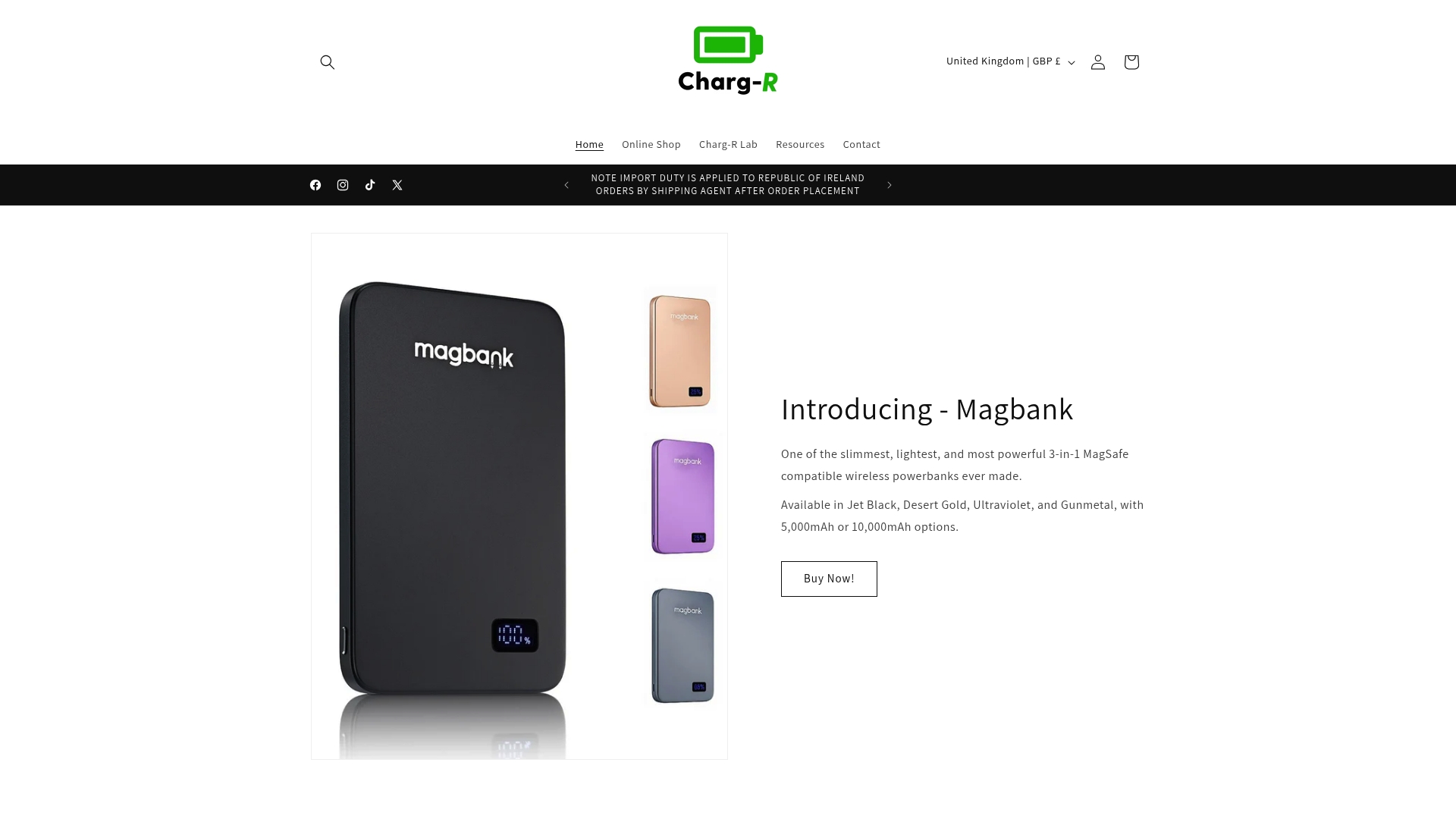
Discover versatile chargers, retractable cables, and travel adapters all in one place at Charg-R Home page – Charg-R. Take control over your travel gear now by visiting https://charg-r.co and prepare to experience reliable, convenient charging on the go. Don’t wait until your battery runs low on your next trip – upgrade to Charg-R’s innovative travel essentials today.
Frequently Asked Questions
How do I choose a lightweight and compact power bank for travel?
Choosing a lightweight and compact power bank is essential for travel. Look for models that weigh under 7 ounces and are less than 6 inches long, ensuring they fit comfortably in your pocket or bag.
What features should I look for in a fast charging power bank?
A fast charging power bank should support advanced charging technologies such as USB Power Delivery or Quick Charge. Opt for a power bank that specifies output wattage appropriate for your devices to ensure efficient charging without overheating.
What steps can I take to maximise my device’s battery efficiency while travelling?
To maximise battery efficiency, activate battery saver mode, reduce screen brightness, and disable unnecessary connections like Bluetooth and Wi-Fi when not in use. Also, limit background app activity to extend your device’s battery life significantly.
How can I ensure my charging accessories are safe while travelling?
Ensure your charging accessories have multiple protection features, including over-voltage, over-current, and temperature control. Check for international safety certifications to guarantee they meet safety standards during travel.
What should I consider when using charging devices in different countries?
Research the voltage and plug types used in your destination country before travelling. Bring a universal travel adapter that supports multiple plug types and includes surge protection to keep your devices safe.
Why are retractable cables beneficial for travellers?
Retractable cables help eliminate cable clutter by combining multiple connector types into one compact unit. They take up less space and can be easily stored, making them perfect for keeping your travel bag organised.