

Wireless Charging Benefits for Apple Travellers
Traveling with multiple Apple devices often means wrestling with a tangle of charging cables that clutter your bag and waste precious time. Wireless charging eliminates this headache by offering streamlined, portable solutions that power your iPhone, Apple Watch, and AirPods without the cord chaos. Modern wireless chargers deliver faster charging speeds, protect your device ports, and simplify your travel setup with multi-device capabilities. This guide covers the key benefits of wireless charging, essential selection criteria, top charger models for 2026, and practical tips to optimize your Apple device charging on the go.
Table of Contents
- How To Choose The Right Wireless Charger For Travel
- Top Wireless Chargers For Apple Devices In 2026
- Benefits Of Wireless Charging For Apple Devices
- Charging Speed And Efficiency With Wireless Technology
- Considerations And Limitations Of Wireless Charging
- Summary Comparison And Recommendations
- Explore Premium Wireless Charging Solutions At Charg-R
- Frequently Asked Questions
Key Takeaways
| Point | Details |
|---|---|
| Cable-Free Convenience | Wireless charging eliminates tangled cords and reduces wear on device ports during travel. |
| MagSafe Speed Advantage | MagSafe chargers deliver up to 15W output, charging newer iPhones 40% faster than standard Qi. |
| Multi-Device Efficiency | Top travel chargers power iPhone, Apple Watch, and AirPods simultaneously from one compact unit. |
| Safety Through Certification | Qi and MFi certified chargers provide voltage regulation and thermal management for safe charging. |
| Travel-Optimized Design | Foldable, lightweight chargers fit easily in bags while maintaining fast charging capabilities. |
How to Choose the Right Wireless Charger for Travel
Selecting the ideal wireless charger requires balancing power output, portability, and compatibility with your specific Apple devices. The right choice transforms your travel experience by reducing gear bulk while maintaining fast, reliable charging.
Power output directly impacts charging speed. For modern iPhones, aim for chargers delivering at least 15W through MagSafe technology. Wireless chargers conforming to the Qi standard charge iPhones at up to 7.5 watts, compatible with iPhone 8 and newer models. However, MagSafe-enabled chargers significantly outperform this baseline, making them worth the investment for frequent travelers.
Portability matters when every inch of luggage counts. Look for compact, foldable designs that collapse flat for easy packing. Weight should stay under 200 grams for single-device chargers and under 400 grams for multi-device options. Some chargers feature integrated cables or fold into credit card-sized profiles that slip into any pocket.
Multi-device capability reduces the number of chargers you carry. A quality 3-in-1 charger handles your iPhone, Apple Watch, and AirPods from one unit, eliminating three separate charging solutions. This consolidation saves space and reduces the mental load of tracking multiple adapters.
Safety certifications protect your expensive Apple devices. Qi certification ensures universal compatibility and basic safety standards. MFi (Made for iPhone) certification from Apple guarantees the charger meets stringent quality requirements. These certifications prevent overheating, voltage spikes, and battery damage.
Consider these essential features when choosing wireless chargers:
- Minimum 15W output for iPhone 12 and newer models
- MagSafe magnetic alignment for optimal positioning
- Foldable or collapsible design for travel
- Multiple device coils for simultaneous charging
- USB-C input for universal compatibility
- Qi and MFi safety certifications
Pro Tip: Check your hotel or accommodation type before traveling. Some budget hotels lack sufficient outlets, making a charger with built-in power bank functionality essential for overnight charging security.
Top Wireless Chargers for Apple Devices in 2026
The wireless charging market offers diverse options tailored to different travel styles and device ecosystems. These standout models balance performance, portability, and price for Apple users.
The mophie 3-in-1 Travel Charger with MagSafe charges iPhone, Apple Watch, and AirPods simultaneously for premium traveler convenience. Its folding design protects charging surfaces during transit while maintaining a slim profile. The magnetic alignment ensures your iPhone locks into the optimal charging position every time. This charger suits professionals who carry the full Apple ecosystem and prioritize reliable, fast charging over budget considerations.
The Twelve South ButterFly 2-in-1 USB-C MagSafe Charger offers rugged portability with aluminum exterior and multi-device charging. Its clamshell design protects both charging pads when closed, creating a nearly indestructible travel companion. The premium build quality justifies the higher price for travelers who value durability and aesthetic appeal. This model excels for minimalists who want quality charging for iPhone and Apple Watch without the bulk.
Amazon Basics provides a budget-friendly single-device option for casual travelers. While lacking MagSafe compatibility, it delivers reliable 7.5W Qi charging for older iPhone models. The slim pad design makes it ideal for business travelers who primarily charge overnight in hotels. This charger works best for those who carry fewer devices or already own separate Apple Watch chargers.
These top wireless chargers for Apple devices represent different value propositions:
- mophie 3-in-1: Premium performance for complete Apple ecosystem charging
- Twelve South ButterFly: Durable, portable dual-device solution with MagSafe
- Belkin BoostCharge Pro: Certified MagSafe with adjustable viewing angles
- Anker 3-in-1 Cube: Compact folding design with good value proposition
- Amazon Basics: Entry-level option for budget-conscious single device users
| Charger | Charging Speed | Portability | Device Compatibility | Price Range |
|---|---|---|---|---|
| mophie 3-in-1 | 15W MagSafe | Foldable, 380g | iPhone, Watch, AirPods | Premium |
| Twelve South ButterFly | 15W MagSafe | Compact, 240g | iPhone, Watch | Mid-High |
| Belkin BoostCharge Pro | 15W MagSafe | Adjustable, 320g | iPhone, Watch, AirPods | Premium |
| Anker 3-in-1 Cube | 15W MagSafe | Foldable, 290g | iPhone, Watch, AirPods | Mid |
| Amazon Basics | 7.5W Qi | Slim, 110g | iPhone only | Budget |
Pro Tip: If you frequently travel internationally, choose chargers with 100-240V input compatibility and pack a universal adapter. Many premium wireless chargers include this feature, eliminating voltage concerns across different countries.
For travelers seeking versatility, explore multi-device wireless chargers that consolidate charging needs. Expert travel charger reviews provide detailed testing results to inform your decision.
Benefits of Wireless Charging for Apple Devices
Wireless charging delivers practical advantages that extend beyond simple convenience, particularly for travelers managing multiple Apple devices across varied environments.
Eliminating cable clutter transforms your travel experience. Instead of untangling three separate Lightning or USB-C cables, you place devices on designated charging surfaces. This simplicity reduces packing time and eliminates the frustration of discovering a forgotten cable after arriving at your destination. Your bag stays organized, and you avoid the inevitable knots that form during transit.
Wireless charging reduces wear on Apple device ports by eliminating constant plugging and unplugging, extending device lifespan especially for travelers. Physical charging ports accumulate dust, lint, and debris that impede connections over time. By charging wirelessly, you preserve port integrity for the instances when wired connections are necessary, such as data transfer or emergency fast charging.
Universal Qi compatibility ensures your charger works across Apple’s product lineup. The same charging pad that powers your iPhone 15 also charges older iPhone models, select AirPods cases, and various accessories. This backward and forward compatibility protects your investment as you upgrade devices over time.
Safety features built into certified wireless chargers provide peace of mind during overnight charging. Voltage regulation prevents power spikes that could damage sensitive battery management systems. Temperature monitoring automatically reduces charging speed if components exceed safe thermal limits. These protections operate silently in the background, ensuring safe charging without user intervention.
Key wireless charging advantages include:
- Complete elimination of cable management hassles
- Extended device lifespan through reduced port wear
- Cross-device compatibility within Apple ecosystem
- Automatic safety monitoring and thermal regulation
- Faster morning routines with grab-and-go simplicity
- Reduced environmental impact from fewer broken cables
Wireless charging represents more than convenience. It fundamentally changes how we interact with our devices, removing the physical barrier between device and power source while protecting the hardware investments we rely on daily.
Discover how Qi wireless charging benefits extend across various use cases. Additional wireless charging benefits include reduced e-waste and improved device resale value.
Charging Speed and Efficiency with Wireless Technology
Modern wireless charging technology delivers impressive speed improvements that minimize device downtime during busy travel schedules. Understanding these capabilities helps you maximize charging efficiency.
MagSafe chargers deliver up to 15W and charge iPhone 12 and later models up to 40% faster than older Qi chargers. This substantial speed increase translates to real-world benefits. An iPhone 14 Pro reaches 50% battery in approximately 30 minutes on a MagSafe charger compared to nearly 50 minutes on a standard 7.5W Qi pad.
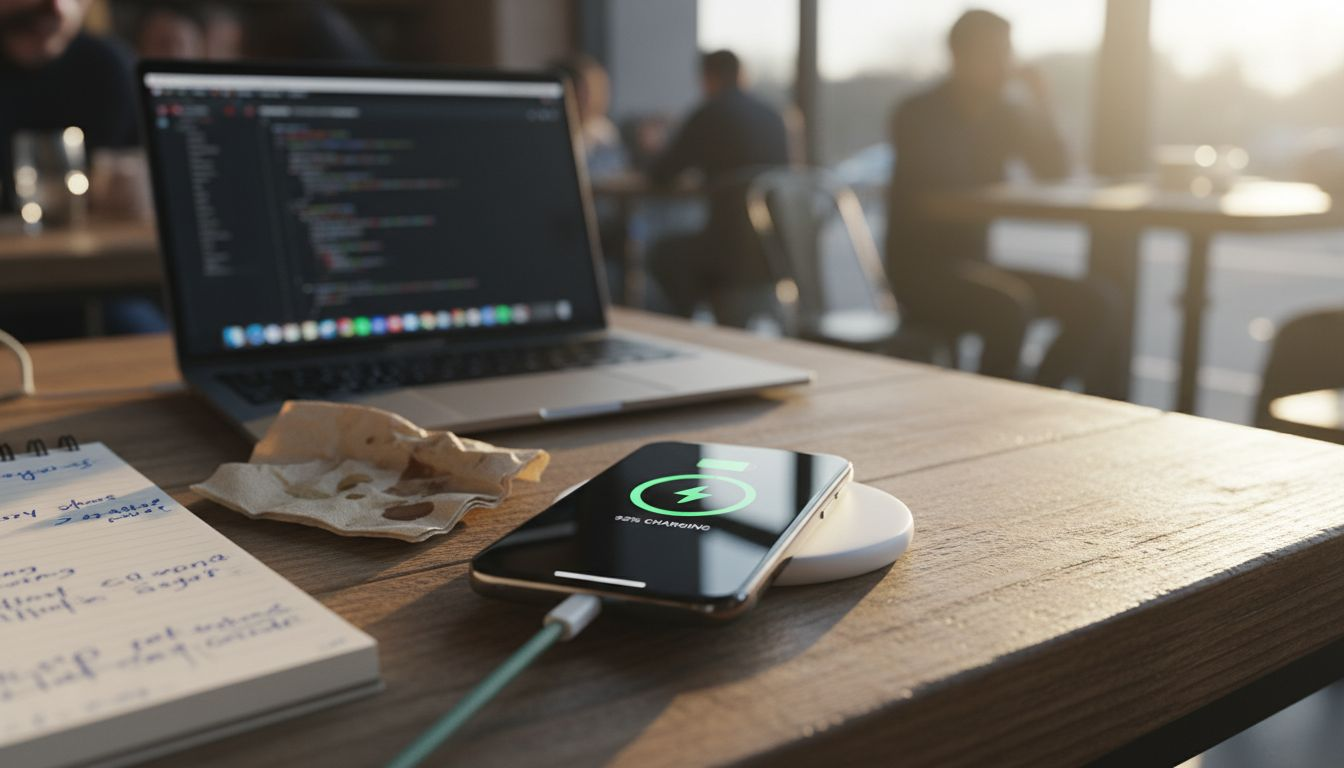
The magnetic alignment system in MagSafe ensures optimal charging efficiency. Misaligned charging creates resistance that converts electrical energy into wasted heat rather than stored battery power. MagSafe magnets guide your iPhone into perfect position automatically, maintaining peak efficiency throughout the charging session.
Fast charging reduces travel productivity interruptions. During airport layovers or coffee shop work sessions, 30 minutes on a MagSafe charger provides enough power for several hours of use. This capability proves invaluable when outlet access is limited or time is constrained.
Follow these steps to maximize wireless charging speed:
- Remove thick phone cases over 3mm, which impede energy transfer
- Center your device precisely on the charging surface
- Use chargers with adequate power adapters (minimum 20W USB-C)
- Ensure proper ventilation around the charger to prevent thermal throttling
- Keep charging surfaces clean and free from metal objects
- Update device software to access latest charging optimizations
Certification ensures chargers deliver advertised speeds safely. Uncertified chargers may claim high wattage but fail to deliver consistent power, resulting in slower actual charging times. Qi and MFi certified chargers undergo rigorous testing to verify performance claims.
Thermal management directly impacts charging speed. As batteries and charging coils heat during power transfer, devices automatically reduce charging current to prevent damage. Quality chargers incorporate heat dissipation features like aluminum backing plates or ventilation channels that maintain lower temperatures and sustain faster charging rates longer.
Fast Charging Impact: iPhone 13 charges from 0 to 50% in 30 minutes with MagSafe (15W) versus 48 minutes with standard Qi (7.5W), saving 18 minutes per charging session.
Learn more about MagSafe charging speed benefits and review detailed PCMag wireless charging speed data comparing various charger models.
Considerations and Limitations of Wireless Charging
While wireless charging offers significant advantages, understanding its limitations helps you use the technology effectively and avoid potential issues during travel.
Heat generation increases during wireless charging compared to wired alternatives. The energy transfer process inherently creates more thermal byproduct because some electrical energy converts to heat rather than stored battery power. This heat dissipates harmlessly in certified chargers with proper thermal management, but cheap uncertified options may allow excessive temperatures that degrade battery health over time.
Device positioning requires more precision than plugging in a cable. Although MagSafe solves this issue for compatible iPhones, older devices using standard Qi charging demand careful alignment. A phone shifted even slightly off-center may charge slowly or not at all. This sensitivity can frustrate users accustomed to the foolproof nature of cable connections.
Charging while using your device becomes impractical with most wireless chargers. Unlike wired charging where you can hold and use your phone normally, wireless charging requires the device to remain stationary on the charging surface. This limitation affects travelers who want to charge while reading, watching videos, or video calling.
Thicker protective cases interfere with charging efficiency. Cases exceeding 3mm thickness or containing metal components block the magnetic field necessary for power transfer. Many travelers prefer rugged cases for device protection, creating a choice between charging convenience and drop protection.
Consider these practical limitations:
- Slightly slower charging speeds compared to wired fast charging
- Increased heat generation requiring quality thermal management
- Inability to use devices comfortably while charging
- Sensitivity to case thickness and materials
- Higher initial cost compared to basic charging cables
- Requires flat, stable surface not always available when traveling
Pro Tip: Pack one compact USB-C cable as backup for situations requiring device use during charging or when wireless charging proves impractical. This redundancy ensures you always have charging options regardless of circumstances.
Balancing these considerations against the benefits allows informed decisions about when wireless charging serves you best. Most travelers find the convenience outweighs limitations for overnight charging and desk-based work sessions.
Explore essential wireless charging safety tips to maximize device protection and charging efficiency.
Summary Comparison and Recommendations
Choosing the right wireless charger depends on your specific travel patterns, device ecosystem, and budget priorities. This comparison synthesizes key differences to guide your decision.
| Feature | mophie 3-in-1 | Twelve South ButterFly | Anker 3-in-1 Cube | Amazon Basics |
|---|---|---|---|---|
| Max Speed | 15W MagSafe | 15W MagSafe | 15W MagSafe | 7.5W Qi |
| Weight | 380g | 240g | 290g | 110g |
| Devices | iPhone, Watch, AirPods | iPhone, Watch | iPhone, Watch, AirPods | iPhone only |
| Travel Design | Foldable | Clamshell | Cube folds flat | Slim pad |
| Price | Premium | Mid-High | Mid | Budget |
| Best For | Full ecosystem | Minimalists | Value seekers | Single device |
For heavy multi-device travelers carrying iPhone, Apple Watch, and AirPods, the mophie 3-in-1 delivers unmatched convenience despite its premium price. The ability to charge all devices from one unit eliminates multiple chargers and cables, offsetting the higher cost through reduced luggage complexity.
Minimalists prioritizing portability and build quality should choose the Twelve South ButterFly. Its aluminum construction survives the rigors of frequent travel while the compact dual-device design handles essential iPhone and Apple Watch charging needs. The clamshell protection prevents damage to charging surfaces in packed bags.
Budget-conscious travelers or those charging a single iPhone overnight find excellent value in the Amazon Basics option. While lacking MagSafe speed and multi-device capability, it delivers reliable Qi charging at a fraction of premium charger costs. This choice suits business travelers staying in hotels with adequate outlets.
The Anker 3-in-1 Cube occupies the sweet spot between features and price. Its foldable design and full ecosystem charging capability rival premium options while maintaining mid-range pricing. This charger appeals to travelers seeking quality without luxury pricing.
Use case scenarios:
- Digital nomads (2-4 weeks trips): mophie 3-in-1 for comprehensive charging capability
- Weekend travelers: Twelve South ButterFly for compact, durable two-device solution
- Budget backpackers: Amazon Basics for essential single-device charging
- Business travelers: Anker 3-in-1 Cube balancing features and value
Review our complete top charger picks 2026 for detailed specifications and purchasing guidance.
Explore Premium Wireless Charging Solutions at Charg-R
Your travel charging setup deserves the same attention you give to selecting the perfect luggage or travel accessories. Charg-R curates premium wireless charging solutions designed specifically for demanding travelers who refuse to compromise on device power.
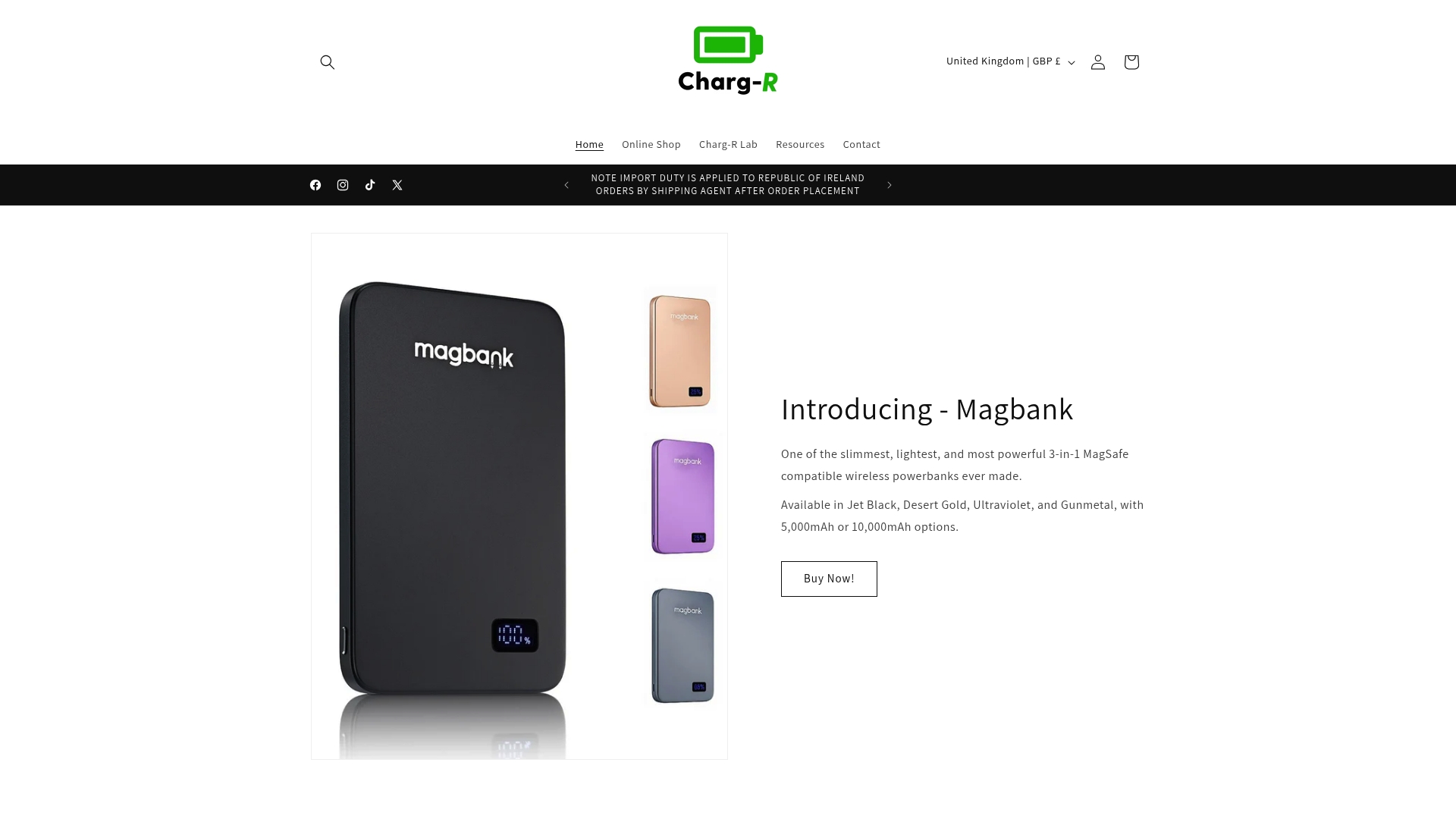
Our selection includes top-rated travel powerbanks and wireless chargers that combine portability with fast-charging capability. Every product undergoes rigorous testing to ensure it meets the needs of tech-savvy professionals managing multiple Apple devices across various travel scenarios. From ultra-slim powerbanks to multi-device charging stations, we stock solutions that eliminate charging anxiety.
The Slatebank Ultra Slim Powerbank exemplifies our commitment to travel-ready power solutions, delivering reliable charging in a profile thin enough to slip into any pocket or bag compartment. Explore our curated collection of the best Apple wireless chargers 2026 to find the perfect match for your travel style and device ecosystem.
Frequently Asked Questions
Can I use any wireless charger for Apple devices?
Most Qi-certified wireless chargers work with iPhones 8 and newer, delivering up to 7.5W charging. However, MagSafe chargers specifically designed for iPhone 12 and later models provide faster 15W charging and magnetic alignment for optimal efficiency. Check for Qi or MFi certification to ensure compatibility and safety with your specific Apple devices.
What makes MagSafe chargers faster than standard Qi?
MagSafe technology delivers up to 15W power output compared to 7.5W maximum for standard Qi chargers on iPhones. The magnetic alignment ensures perfect positioning between charging coils, minimizing energy loss and maximizing transfer efficiency. This combination results in up to 40% faster charging times for compatible iPhone models.
Does wireless charging damage my iPhone battery?
Properly certified wireless chargers do not damage iPhone batteries when used correctly. Quality chargers include thermal management and voltage regulation that protect battery health during charging. The slight additional heat generated dissipates safely in certified chargers, and Apple designs iPhones to handle wireless charging without long-term battery degradation.
How many devices can I charge simultaneously?
Multi-device wireless chargers range from 2-in-1 models handling iPhone and Apple Watch to 3-in-1 stations that add AirPods charging. The number depends on the specific charger design and available charging coils. Premium travel chargers like the mophie 3-in-1 accommodate complete Apple ecosystems, while budget options typically charge one device at a time.
Are wireless chargers safe to use during flights?
Yes, wireless chargers are safe for airline travel and use during flights. They contain no restricted materials and pose no safety concerns to aircraft systems. However, availability of power outlets varies by airline and seat class, so verify your flight offers charging access before relying exclusively on wireless charging during travel.